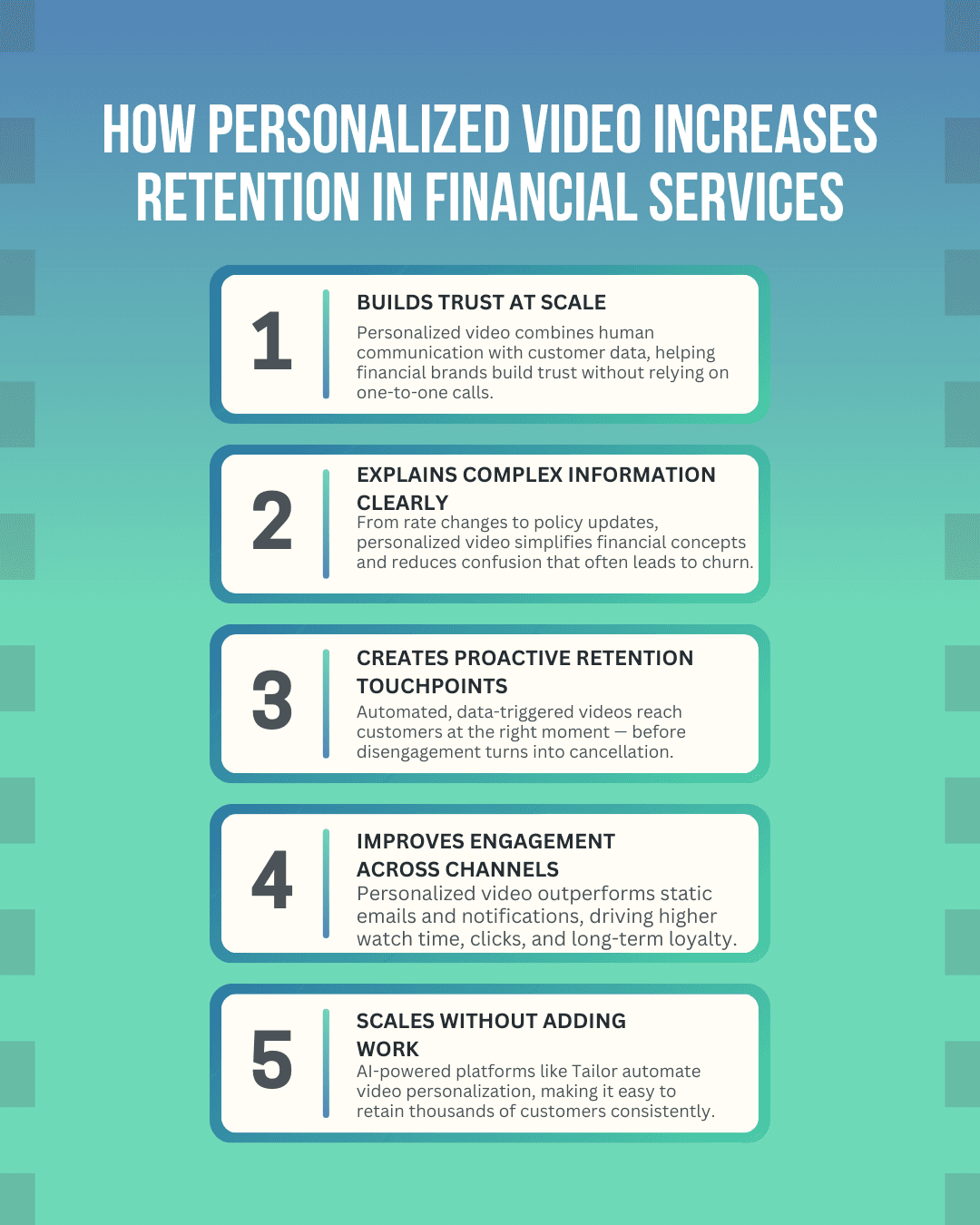

Innovation
AI Future: Personalized Video
Author Name
Author Title
Published :
AI in marketing has evolved fast—but 2026 marks a turning point.
What began as basic chatbots and rule-based automation has grown into a powerful ecosystem of tools capable of predicting behavior, generating creative assets, and delivering deeply personalized experiences at scale. In 2026, the most successful brands aren’t just using AI—they’re designing entire marketing strategies around it.
So what does AI marketing look like now, and where is it headed next?
The Evolution of AI Marketing
In the early days, AI marketing was largely functional. Tools focused on efficiency: automated emails, simple chatbots, basic customer segmentation. Helpful—but not transformative.
Today, AI plays a more strategic role. It analyzes massive datasets in real time, adapts creative based on user behavior, and enables brands to communicate with millions of customers in ways that still feel personal.
As we move deeper into AI marketing 2026, the shift is clear:
from automation → to intelligence → to personalization at scale.
Chatbots Are Just the Beginning
Chatbots were many consumers’ first interaction with AI-driven marketing—and they’re still evolving.
Modern AI-powered chatbots:
Understand natural language, not just keywords
Learn from previous interactions
Personalize responses based on CRM and behavioral data
In 2026, chatbots function less like scripted support tools and more like always-on brand representatives—guiding users, qualifying leads, and driving conversions across the customer journey.
But conversational AI is only one piece of the puzzle.
Predictive AI Is Shaping Smarter Campaigns
One of the biggest breakthroughs in AI marketing is predictive intelligence.
Instead of reacting to customer behavior, AI can now anticipate it:
Which leads are most likely to convert
When a customer is at risk of churn
What message will resonate most at a specific moment
This allows marketers to move from static campaigns to adaptive, data-driven strategies that evolve in real time. In AI marketing 2026, timing and relevance matter as much as creative quality.
Creative AI Is Redefining Content Production
AI isn’t just analyzing data—it’s creating.
From copy and images to audio and video, AI-powered tools now assist marketers in producing content faster and more efficiently than ever before. But the real shift isn’t about volume—it’s about customization.
Brands are no longer limited to one-size-fits-all creative. AI enables:
Dynamic messaging based on customer attributes
Variations of creative tailored to specific audiences
Rapid testing and iteration at scale
This is where AI moves from optimization to experience design.
Personalized Video Is the Next Frontier
As attention spans shrink and digital noise grows, video has become the most effective medium for connection. AI takes it one step further.
Personalized video combines data, automation, and storytelling to deliver messages that feel one-to-one—without manual production.
In 2026, personalized video is being used to:
Welcome new customers
Recap a user’s year, activity, or milestones
Explain complex products in a more human way
Re-engage inactive users with relevant messaging
What once required massive production teams can now be generated automatically, powered by data and delivered at scale—without sacrificing quality or authenticity.
Trust, Transparency, and the Human Touch
As AI becomes more embedded in marketing, trust becomes critical.
Consumers in 2026 expect brands to:
Use data responsibly
Be transparent about AI-driven experiences
Maintain a human voice, even when automation is involved
The future of AI marketing isn’t about replacing humans—it’s about amplifying human creativity, empathy, and relevance with smarter tools.
Where Tailor Fits In
At Tailor, we believe the future of AI marketing lies in personalized video at scale—where data-driven automation meets genuine human connection.
By turning customer data into personalized video experiences, brands can move beyond generic messaging and create moments that feel timely, relevant, and personal—without adding operational complexity.
As AI marketing 2026 continues to evolve, the brands that stand out will be the ones that use AI not just to sell more—but to connect better.
Final Thought
AI has already transformed marketing. But the next phase is about experience—not efficiency alone.
From chatbots to predictive intelligence to personalized video, the future of AI marketing is clear:more personal, more relevant, and more human than ever before.
Related Reads for You
Discover more articles that align with your interests and keep exploring.